
What “find an AI prompt from TikTok video” means
When people search for how to find an AI prompt from TikTok video, they usually want to recreate an interesting clip: an animated product shot, a cinematic character, a surreal transition, or a realistic AI-generated scene. They may hope to discover the exact words used by the creator so they can produce something similar in an image or video generator.
There are two different tasks hidden inside that request. The first is finding a prompt the creator deliberately published in the TikTok caption, comments, profile, or linked post. The second is analyzing the finished video and writing a new prompt that describes what appears on screen. These tasks can produce very different levels of certainty.
A useful TikTok video prompt generator should make that distinction clear. A disclosed prompt may be copied from a source, while a visual analysis produces a practical reconstruction. The second result is an informed description, not evidence of the creator’s private generation settings.
Check TikTok for a prompt before analyzing the video
Start with the video itself. Read the caption carefully, expand any truncated text, and look for phrases such as “prompt,” “workflow,” “made with,” or the name of a generation platform. Some creators publish a shortened prompt in the caption and place the full version in a pinned comment, a carousel post, or a link in their bio.
Comments can contain useful clues, but they require caution. A commenter may be quoting the creator, guessing based on the visual style, or sharing a prompt that produces a similar result rather than the original one. Look for a direct reply from the account that posted the video, especially if it includes tool settings, model names, aspect ratio, seed information, or a longer prompt.
Save the wording and its source if you find it. A caption that says “cinematic woman in a red dress” is not the same as a verified full prompt with camera movement, lighting, motion instructions, and negative prompts. Recording what was actually disclosed prevents a reconstruction from being mistaken for an original later.
Why pixels cannot reveal the exact original prompt
A finished TikTok video does not contain a readable copy of the prompt inside its pixels. The same visual result can come from many different prompts, models, reference images, edits, and generation attempts. A creator might also have changed the output manually, combined several clips, added effects, or used an image as a starting point.
For example, a shot of a robot walking through a rainy neon street could be generated with words describing a robot, a cyberpunk city, wet pavement, reflections, and a tracking camera. But it could also come from a broad text prompt plus a reference frame, motion controls, inpainting, and color grading. The video alone cannot prove which route was used.
This is the central pixel limitation to remember. Tools that claim to extract the exact hidden prompt from any TikTok frame are overstating what visual analysis can establish. A responsible tool labels its result as a best-effort guess when no creator-disclosed prompt is available.
How video-to-prompt analysis works
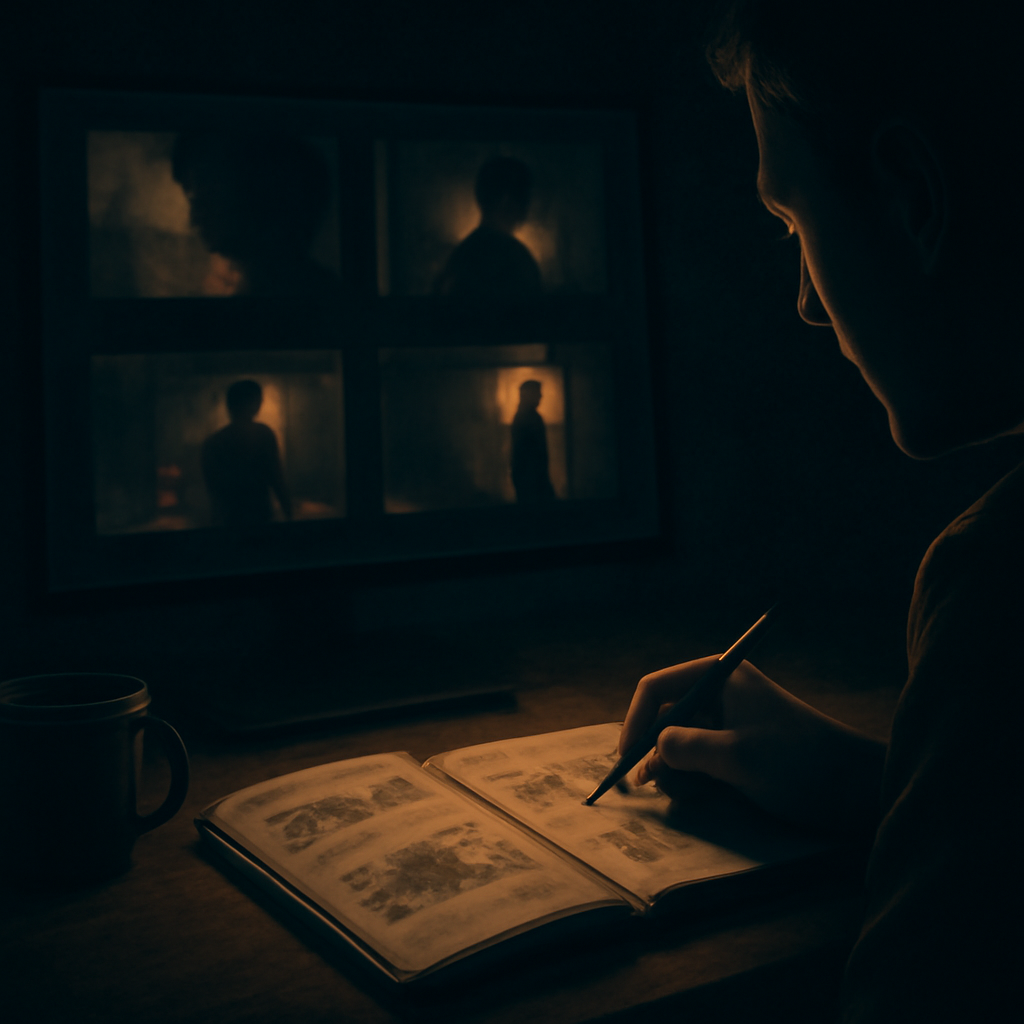
If no prompt is published, a vision model can inspect representative frames from the clip and convert visible details into prompt language. It may identify the main subject, setting, colors, lighting, apparent style, composition, depth of field, and broad camera movement. This is similar to asking an observer to describe the video for another creator.
Frame selection matters. A single frame may miss an object that appears later, while a blurry transition can confuse the analysis. Several frames can reveal whether a person is walking toward the camera, whether the background changes, and whether an effect is a deliberate part of the scene or just a compression artifact from TikTok.
The resulting prompt is most useful when it separates stable visual facts from uncertain interpretations. “A close-up of a glass bottle on a reflective table” is a visible description. “Generated in a particular model using a specific seed” is not visible unless the creator has said so. Good output uses cautious wording for details that cannot be verified.
How to get a better reconstruction from a TikTok clip
Use the clearest version of the video you are allowed to analyze. A screen recording with TikTok overlays, heavy compression, rapid cuts, or missing frames can hide important details. If possible, provide the original file or a high-quality export, and trim unrelated introductions, reactions, and end cards before analysis.
Explain your goal alongside the upload. If you want to recreate the opening shot, say so. If you need a prompt for a specific generator, mention that platform, because prompt structure and useful controls vary. You can also ask for separate descriptions of the subject, environment, lighting, camera motion, style, and negative prompt ideas.
After receiving a reconstruction, treat it as a starting draft. Test one version, compare the result with the TikTok clip, then revise the biggest mismatch first. You may need to adjust motion strength, subject placement, lens language, pacing, or consistency instructions. Recreating the overall concept is usually more realistic than duplicating every frame exactly.
A practical and honest way to try it
The quickest workflow is to check the TikTok caption and comments for a creator-disclosed prompt, then analyze the clip only if no reliable prompt is available. Keep the two outcomes separate in your notes: one is sourced information, and the other is an AI-generated reconstruction based on visible evidence.
Privacy and rights matter as well. Do not upload private footage or someone else’s unreleased work without permission, and remember that analyzing a public clip does not give you ownership of its characters, branding, music, or underlying concept. Use the reconstructed prompt for learning and experimentation, not as proof that you found the creator’s exact process.
When you are ready to compare what was disclosed with what can be inferred from the visuals, try the tool. It can check available description or comment clues and, when none are found, provide a clearly labeled best-effort prompt reconstruction from an uploaded video rather than pretending to recover an impossible hidden original.



Leave a Reply